Home About CPAWS News Centre Resource
Links
Site Map
LEARN ABOUT...
   
Parks & Wilderness
Valuing Wilderness
About Protected Areas
Economies & Ecosystems
Special Places
The Boreal Forest
About Forests
Forest Protection
CPAWS Work
The Prairie
About Prairies
Prairie Protection
CPAWS Work
GET INVOLVED...
   
Boreal Action Centre
Churchill River
Support CPAWS
You Can Help!
Become a Member/Donate
Volunteer


Welcome. CPAWS Saskatchewan is a non-profit conservation organization dedicated to keeping our natural world healthy. We achieve our mission by helping to establish protected areas on Crown lands and by promotiing responsible land use that is sustainable for nature, communities and the economy.

Suite 203, 115 2nd Avenue N Saskatoon, SK S7K 2B1 Ph: (306) 955-6197 Fax: (306) 665-2128 Email: info@cpaws-sask.org


Taking Care of Our Natural Landscapes

  Cypress Hills. Photo by Branimir Gjetvaj

Saskatchewan citizens have a unique opportunity to live, work and play on the land using foresight, innovation and good stewardship.
 

Scientists and many others agree that protected areas play a major role in keeping the natural world intact and working. They also agree that careful land use outside of protected areas is vitally important too. CPAWS is working with others to develop new approaches to land use planning... approaches that focus on both responsible land use and meaningful protection.

Learn more about protection....

Learn more about responsible land use planning...

Learn more about our work...

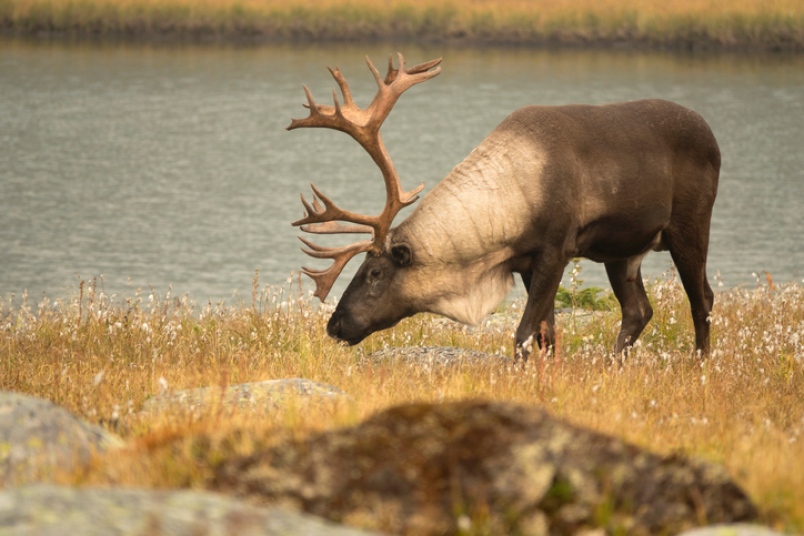
SASKATCHEWAN’S ENDANGERED CARIBOU

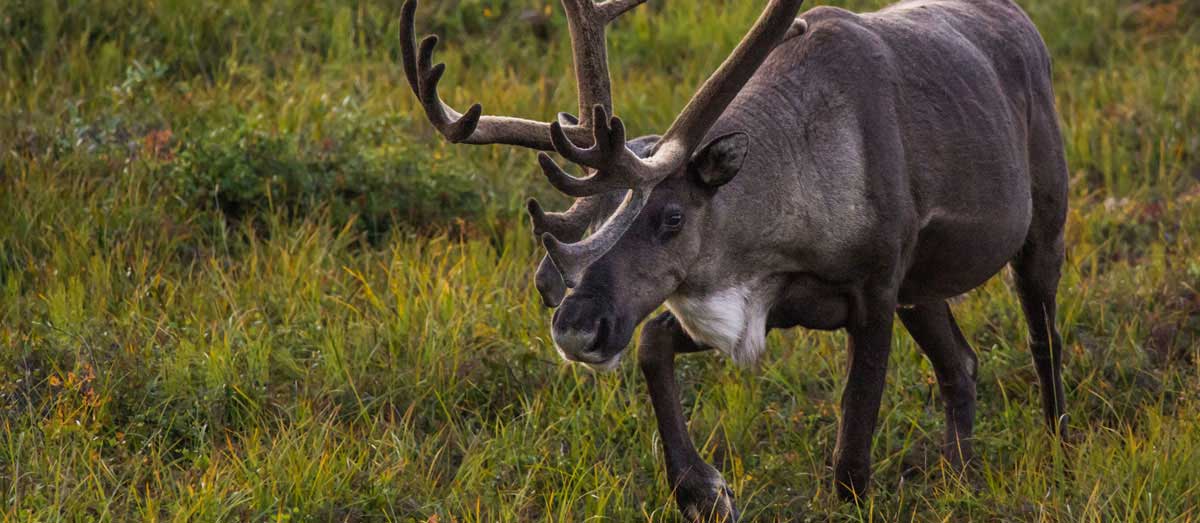
The woodland caribou is disappearing from our boreal forest. Their dwindling numbers is a warning sign that something is wrong. Fortunately, research is helping us to understand why this is happening and what we can do to fix this problem.

Click here to learn more about the plight of the caribou…

Visit our on-line caribou action site


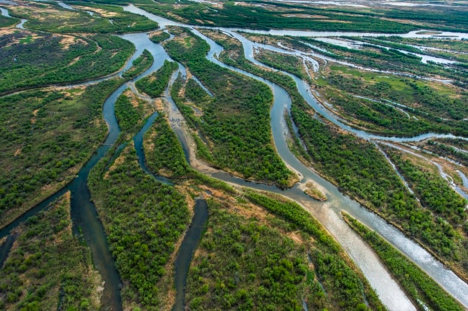
Saskatchewan's Churchill River

Photo by Herb Hammond

Every day, places like Saskatchewan's beautiful Churchill River nourish and connect millions of people, plants and animals in a delicate balance.

When something goes wrong, the ripples are not small.

As one of the last large and pristine ecosystems in the world, the Churchll River must be protected from reckless damming, clearcutting and mining.


Events:
2009 AGM - June 18


NEWS:

Death by a Thousand Cuts. Impacts of Oil Sands Development in the Boreal Forest

August 2006. Research report discusses the impacts that in situ deep oil sands exploration and development can have on our boreal forest ecosystem. Such developments could affect 50 times as much boreal forest as oil sands mining. Most of the report's data comes from experiences and research in Alberta. The information is extremely relevant to oil sands activities and potential developments that are developing in northern Saskatchewan. Authored by CPAWS Northern Alberta and the Pembina Institute.


1500 Scientists World-wide Call for Protection of Boreal Forest
May 2007. 1,500 highly respected scientists from more than 50 countries around the world call for protection of Canada’s Boreal Forest. The scientists identify the 1.4 billion acre Canadian Boreal Forest as one of the largest intact forest and wetland ecosystems remaining on earth.
Report on Assessing the Real Value of Canada's Boreal Ecosystems

. November 2005. Research report on the broad range of ecological goods and services found in our boreal forest, including an analysis and reporting framework developed to help provide decision-makers with a means of considering the full economic value of the boreal region when making decisions about its future. Authored by Canadian Boreal Initiative and Pembina Institute for Appropriate Development.